Every year, Initiatives in Art and Culture (IAC) curates dynamic, immersive conferences dedicated to a specific topic in American art. The 28th annual American Art Conference, hosted this year by Heritage Auctions in New York, will tackle the notion of “Multiple Modernities” in the historical context of American art.
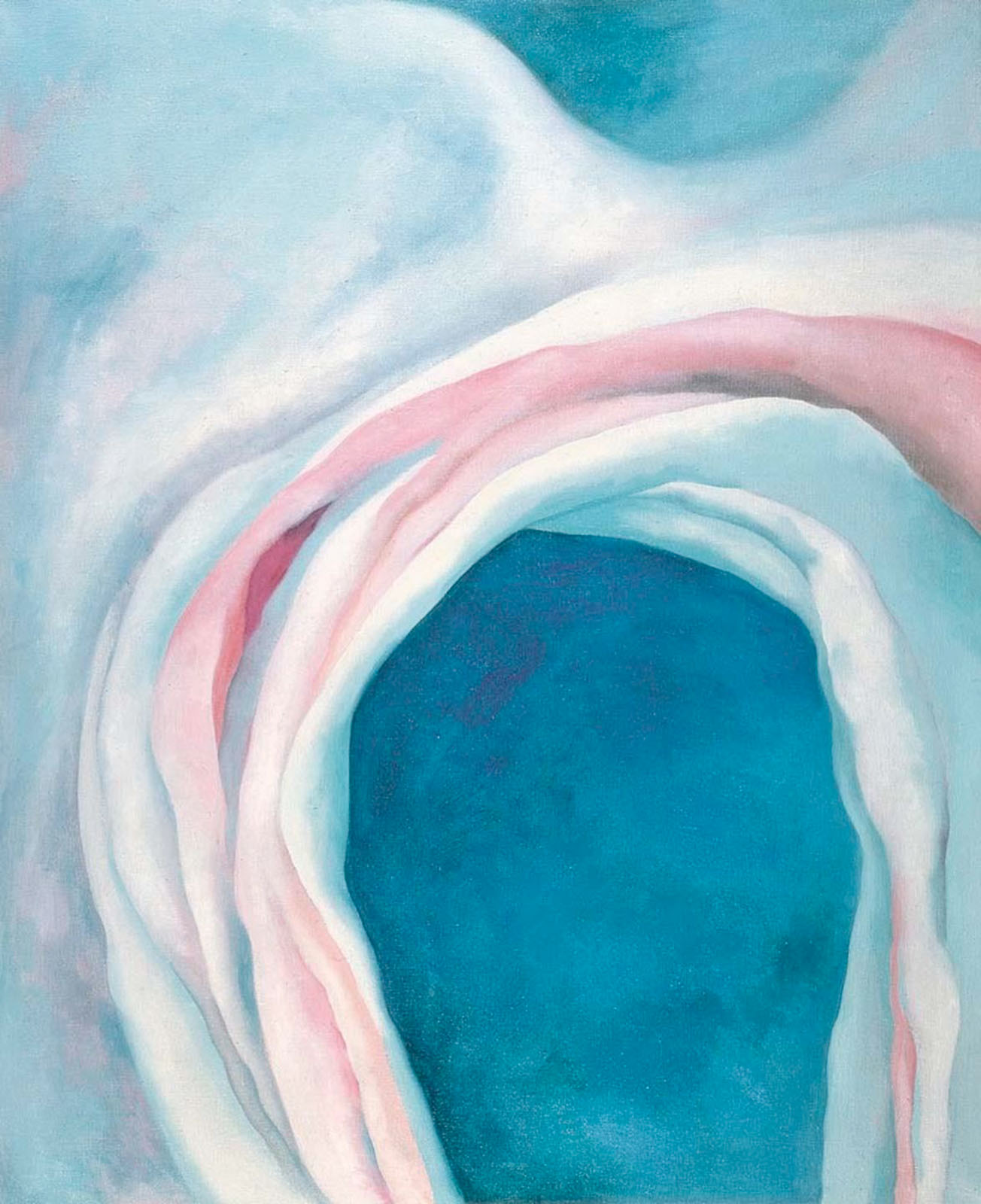 Georgia O’Keeffe (1887-1986), Music-Pink and Blue No. 1, 1918. Oil on canvas, 35 x 29 in. Seattle Art Museum, Gift of Barney A. Ebsworth.
This year IAC’s American Art Conference will take place May 9 through May 11, to coincide with American Art Week, when New York hosts a concentrated number of historic American art auctions, exhibitions and events. One of the centerpieces of the week is the American Art Fair, once again bringing the very best historic fine art on the market and the prestigious galleries and dealers of the genre to Bohemian National Hall from May 11 through 14. Participants in the IAC conference will be guests of the American Art Fair’s invitation-only Gala Preview.
With a focus on the modern and accenting modernism, IAC’s American Art Conference explores the late 19th through mid-20th centuries and will illuminate the historical underpinnings and multiple approaches to expressions of the modern. The conference spotlights important movements and key players—some already seen as such, others newly introduced to broaden understanding—through panel discussions, lectures and tours led by some of the foremost experts, including curators, collectors, dealers and scholars in the field.
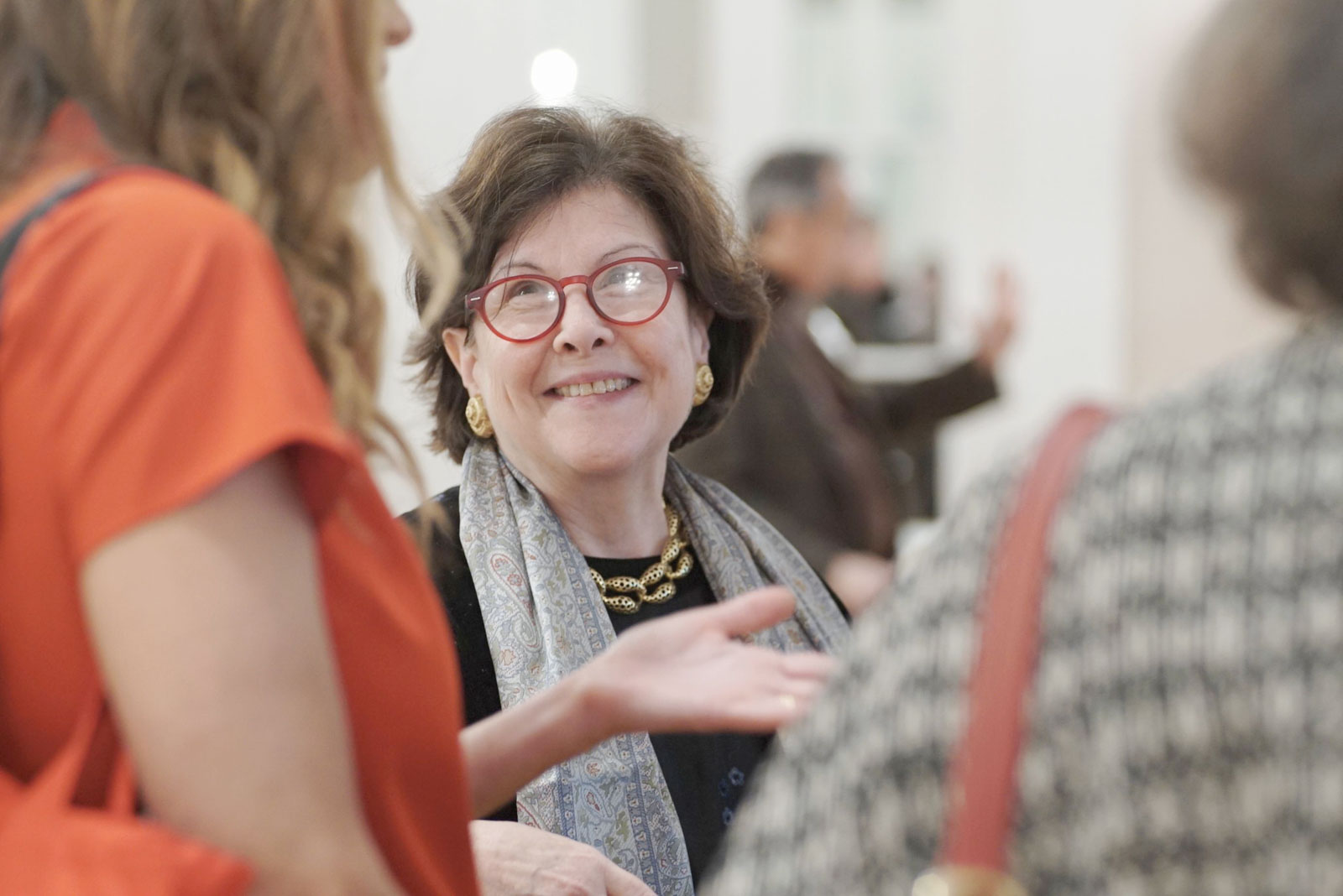 IAC founder and president, Lisa Koenigsberg, in conversation with attendees during a networking break at IAC’s 2022 American Art Conference titled “Cut, Cast, Carved, and Coupled: Perspectives on Women in American Art.”In explaining her choice of focus for this year’s American Art Conference, IAC president and founder, Lisa Koenigsberg says, “Resonating with the era of profound change in which we are living, the theme of IAC’s 28th annual American Art Conference is ‘Multiple Modernities’, which recognizes the coexistence of contemporaneous expressions of the modern in direct or implicit competition.” She further notes, “An appreciation of multiple moderns (and the distinctions between the modern, modernity and modernism) can help reshape and deepen our understanding of the history of American art. This approach also accurately reflects the varied approaches taken to understanding the complexity of the ‘Modern’ as attested to by the many perspectives and points of view brought to bear on the material.”
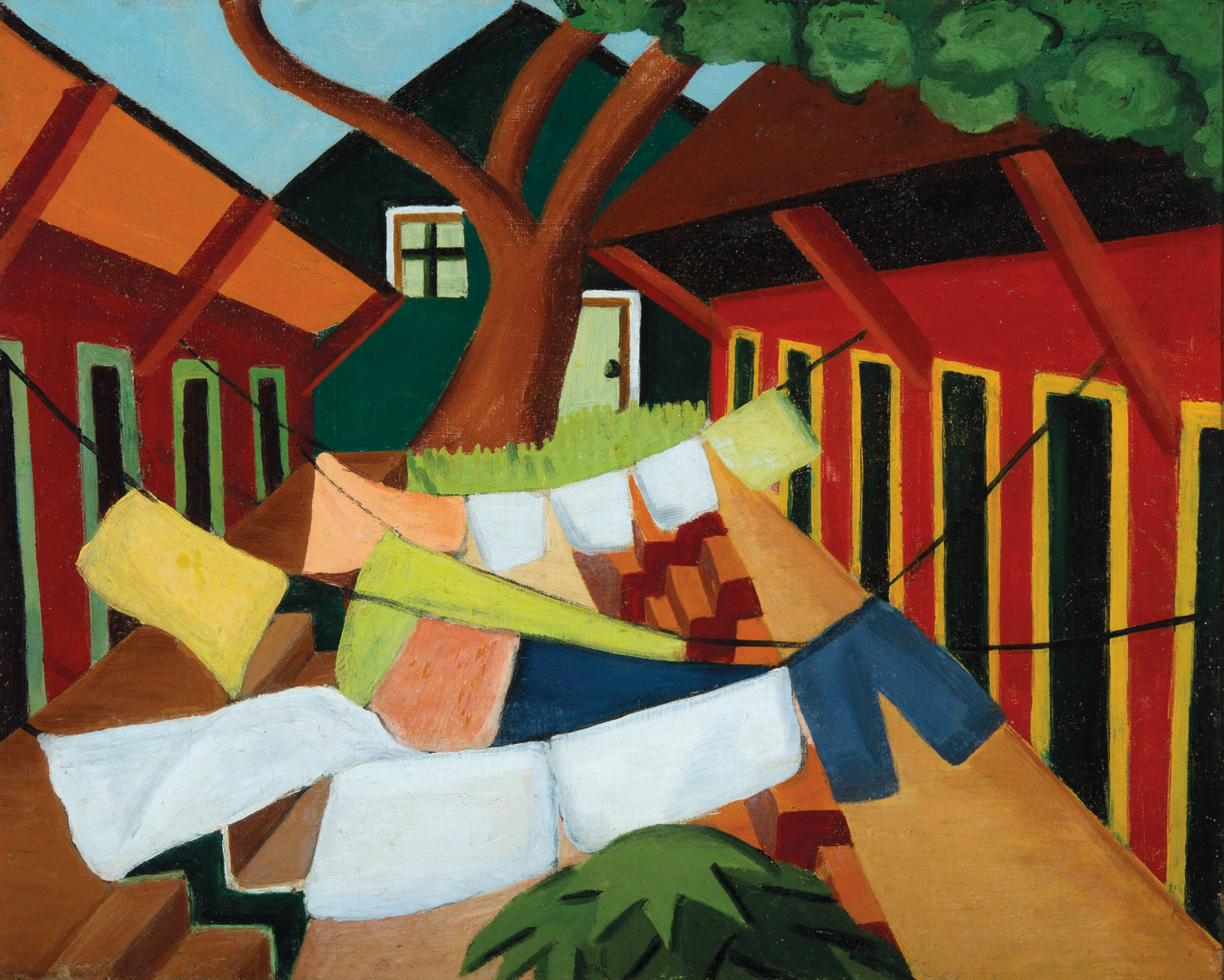 Dusti Bongé (1903-1993), Where the Shrimp Pickers Live, 1940. Oil on canvas, 16 x 20 in. Mississippi Museum of Art. Gift of the Dusti Bongé Art Foundation, Inc.
In a feature that explored the topic in the 2023 May/June issue of American Fine Art Magazine, Koenigsberg clarified the notion of “’Modernism’” as distinct from both the modern and modernity, generally refers to a specific movement characterized by a tendency to abstraction in pursuit of a ‘truer’ way of rendering a new, more industrialized world.”
Further elaborating on this year’s topic, Koenigsberg observes that, “The emergence of the modern in American art can thus be traced to changes in perception of what constituted art, the forms it could take and how—and not least, by whom—it might be created. This change in perception, and the art it made possible, is the focus of IAC’s 28th annual American Art Conference.”
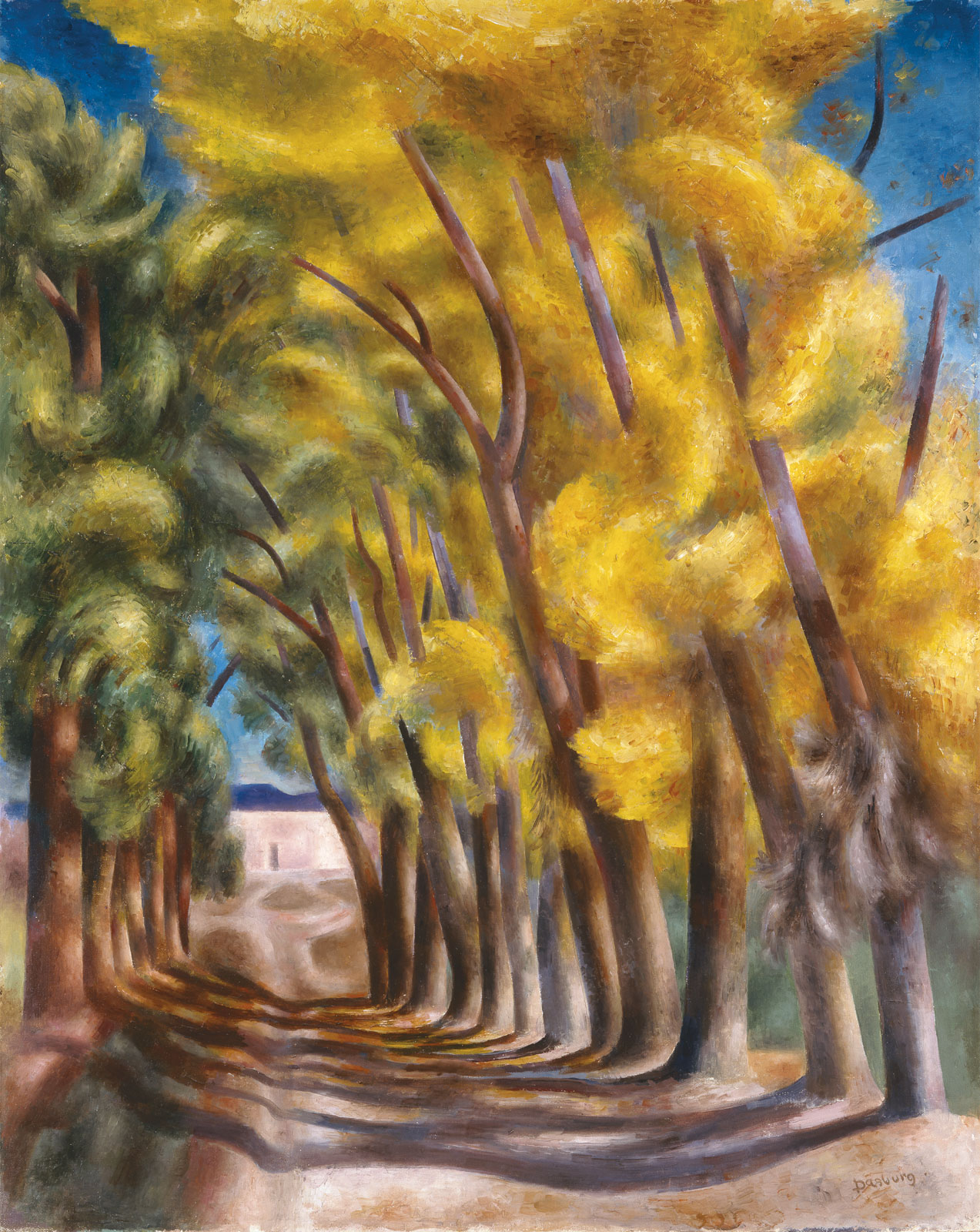 Andrew Dasburg (1887-1979), Chantet Lane, 1926. Oil on canvas, 30 x 24 in. Denver Art Museum: Gift of Albert Wassenich by exchange. © Estate of Andrew Dasburg.
To sign up for the American Art Conference and for updates on the itinerary and keynote speakers for this year’s event, visit www.artinitiaves.com.
Powered by Froala Editor